Stories, streets, and skyline
Ride between eras — from Grand Place to the Atomium, from royal avenues to the European Quarter.
Table of Contents
Origins of Brussels
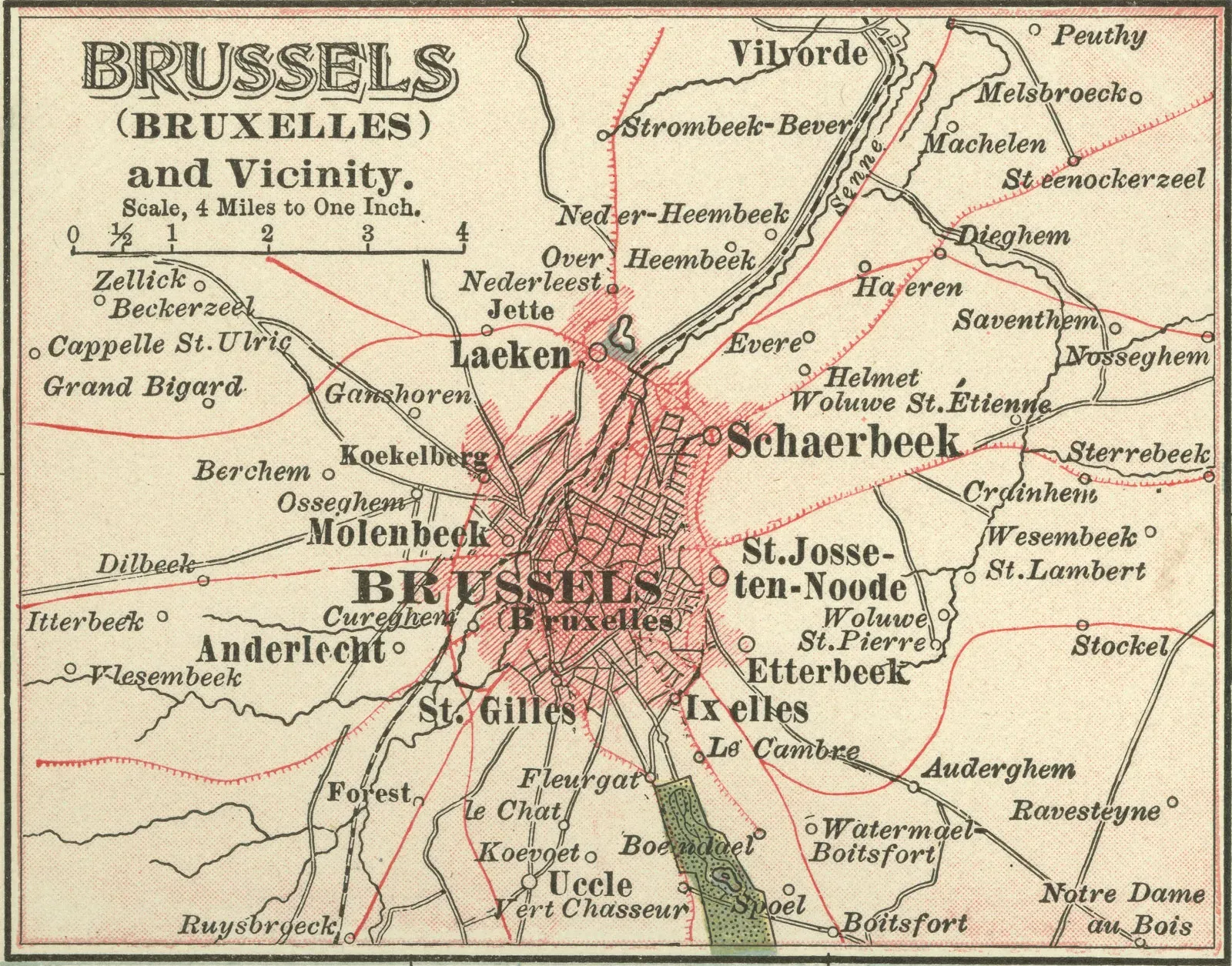
Brussels began as a settlement on the Senne, a river that once flowed openly through the city. Around its markets, guilds, and churches, a town grew into a capital shaped by trade and craftsmanship — then transformed by grand 19th‑century boulevards and early modern urban planning.
Centuries of change layered Brussels with textures: medieval guildhalls around the Grand Place, baroque flourishes, sober neoclassicism, whimsical Art Nouveau curves, and the post‑war dreaminess of the Atomium. Today it’s both Belgium’s capital and a hub for European institutions — deeply local, yet outward‑looking.
Guilds, trade & the Grand Place
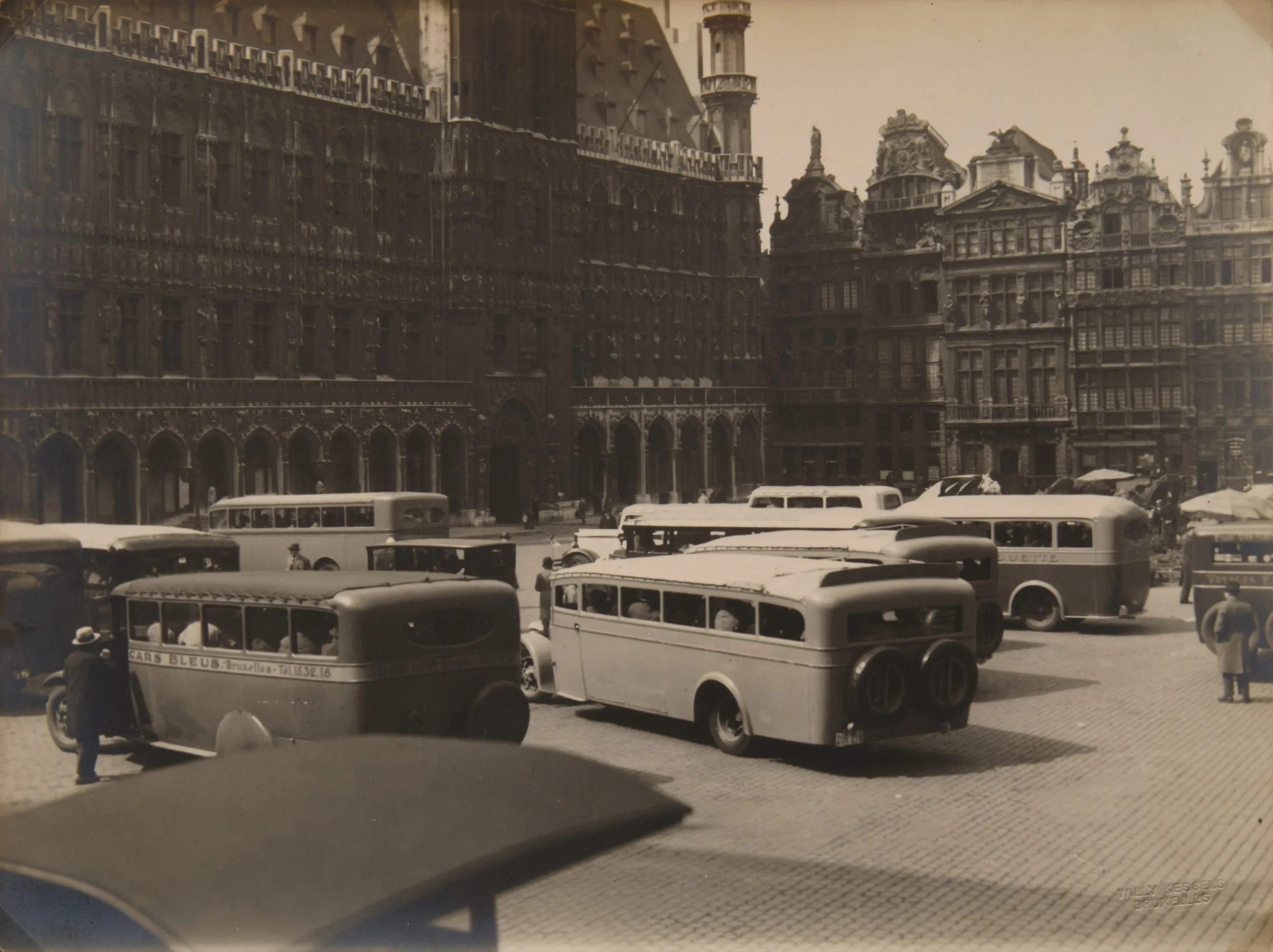
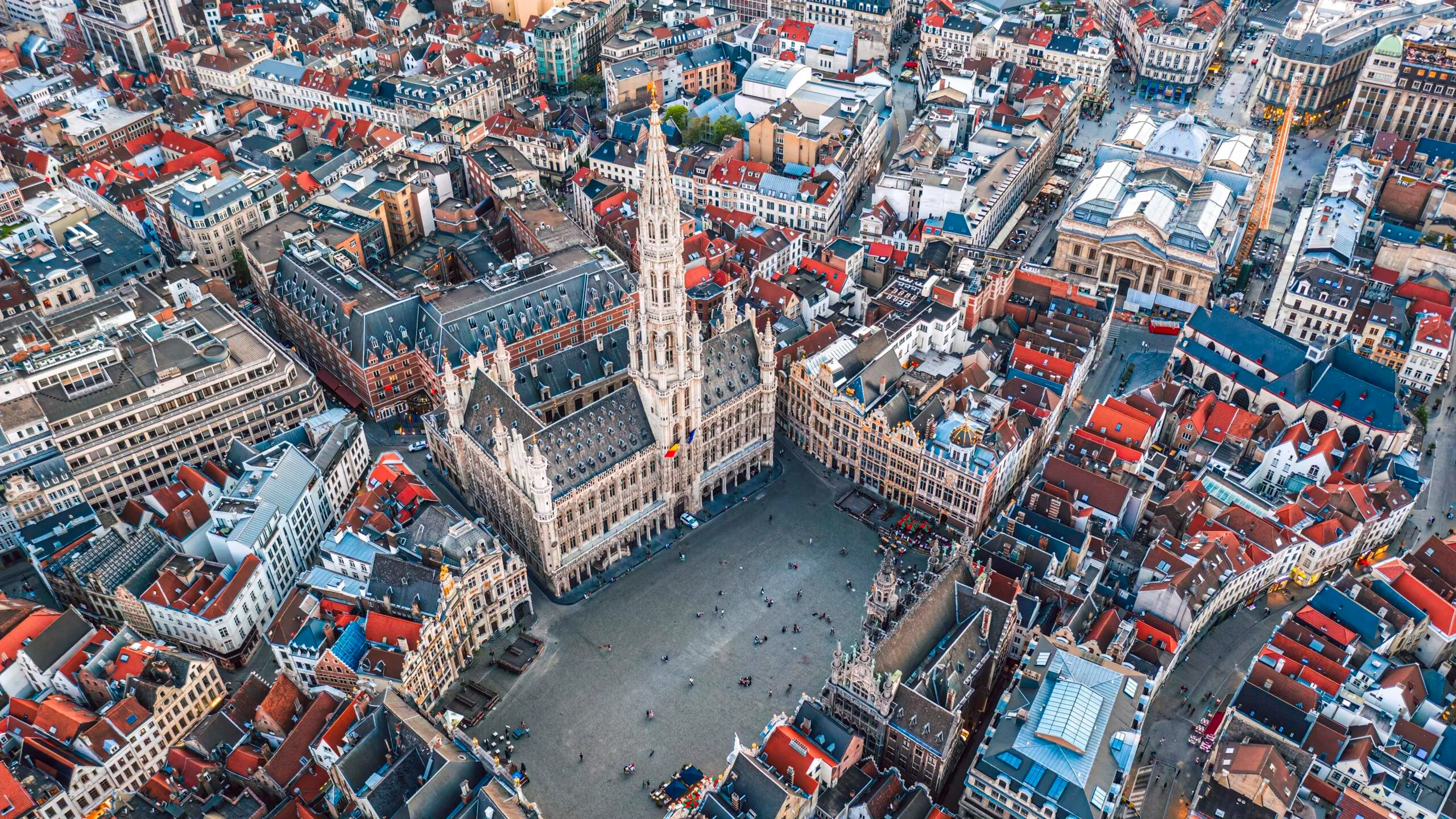
The Grand Place was a stage for guilds and merchants — a market ringed by ornate façades that signaled pride in craft and prosperity. Fires, reconstructions, and fashions changed its face, but the square’s drama lived on: carvings, gilding, and spires that catch late sun and celebrate the city’s working heart.
Trade brought textiles, spices, and ideas; craftsmanship made guilds powerful; civic life played out in ceremonies and parades. The result is a square that feels like a theater — where everyday life and extraordinary architecture share the limelight.
Royal avenues & Art Nouveau
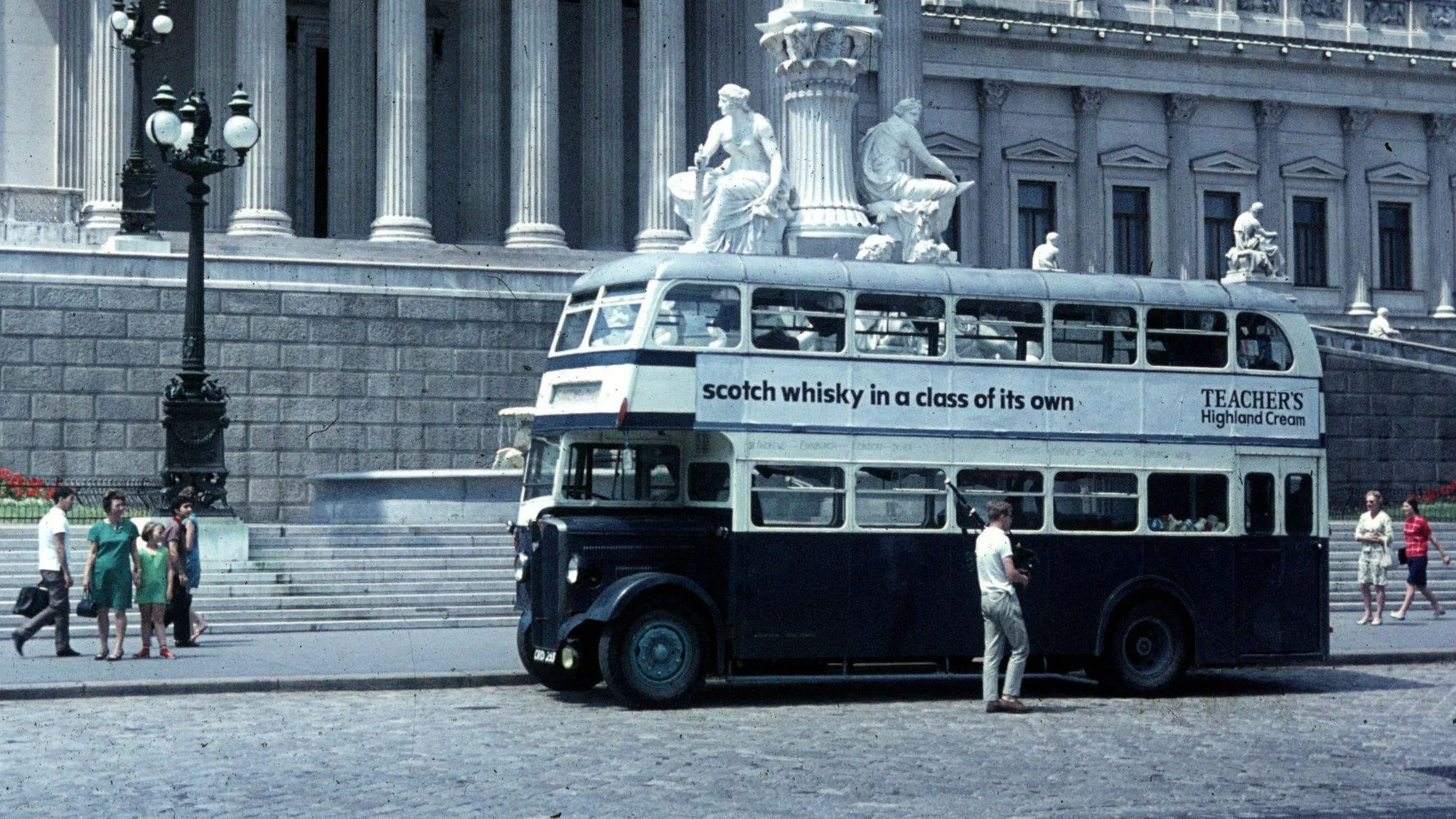
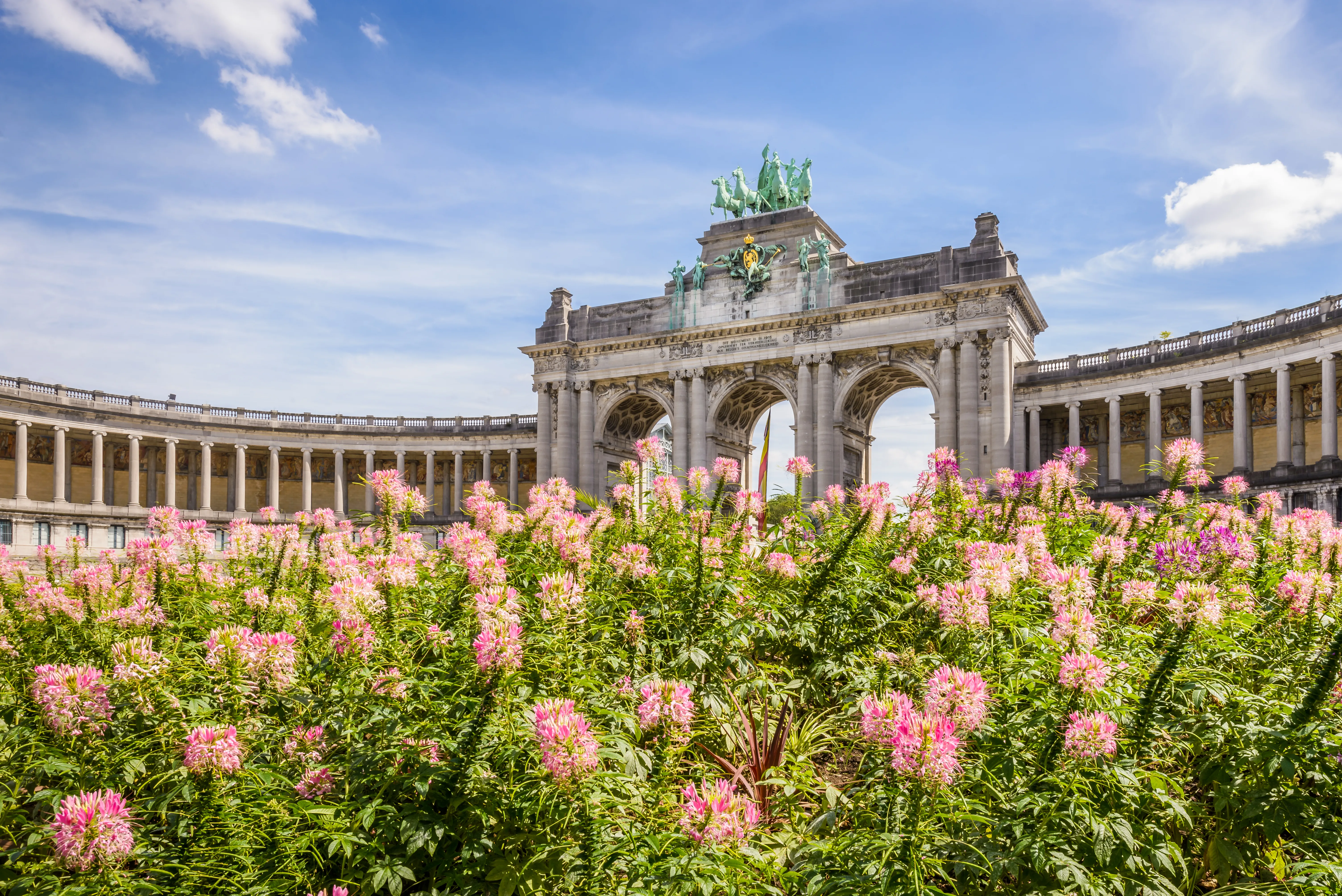
The 19th century carved broad boulevards through the city, framed by parks and palaces. Royal ambitions set axes of power and ceremony — the Royal Palace and Parc de Bruxelles, monumental museums, and stately terraces that still feel grand on quiet mornings.
Then came Art Nouveau with a wink: graceful ironwork, organic lines, and homes that move like music. Architects like Victor Horta made Brussels a living gallery of modern forms — intimate, imaginative, and unmistakably its own.
Museums, memory & Magritte
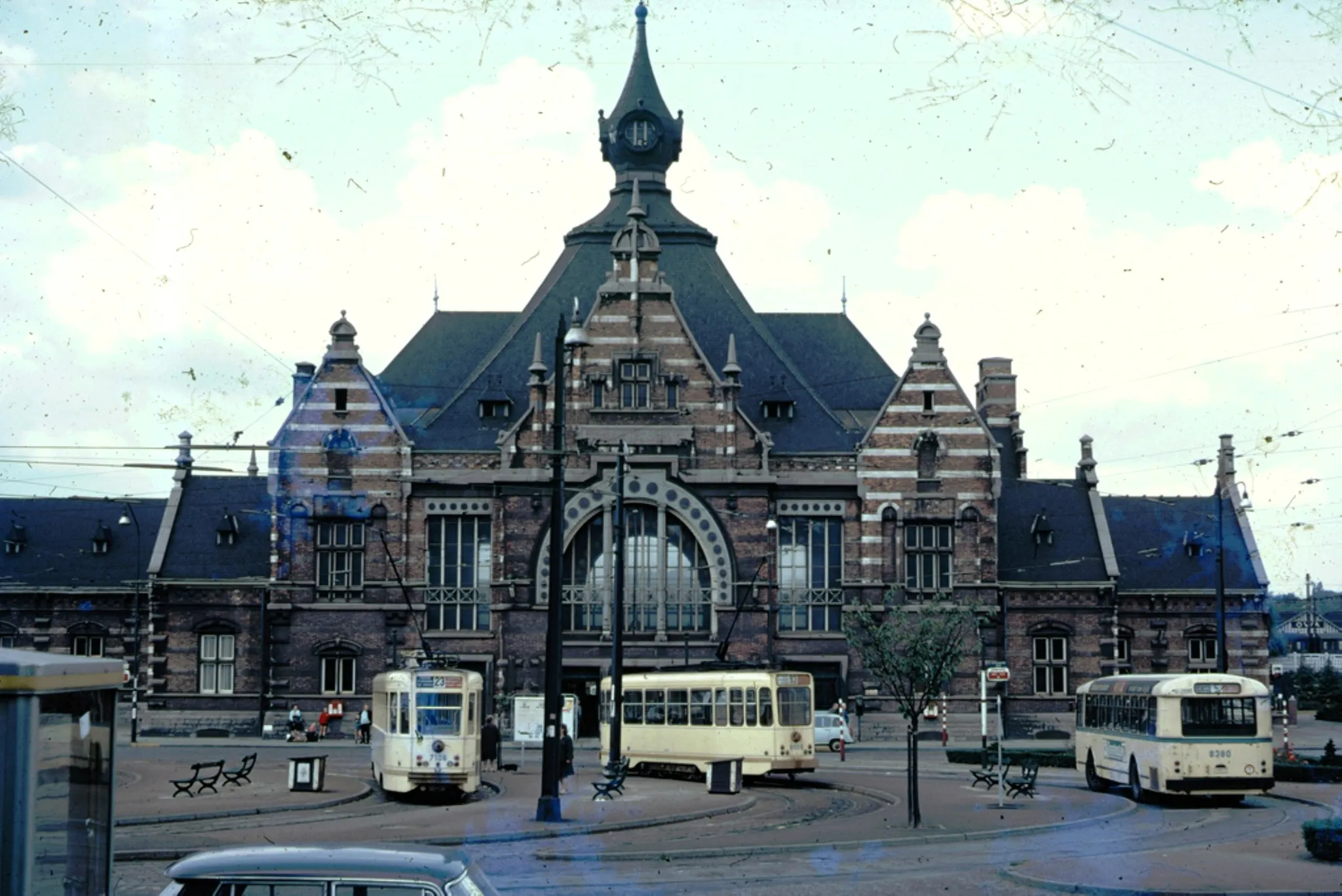
Brussels’ museums are generous: the Royal Museums of Fine Arts with classics and moderns, the Magritte Museum with surreal smiles, house museums with Art Nouveau whispers, and contemporary spaces that keep debates and dreams alive.
Memory reaches into every gallery — from world art to local stories, from comics to craftsmanship. You can hop off the bus, step into a museum, and feel the city pause for a few thoughtful hours.
Neighborhoods & local life
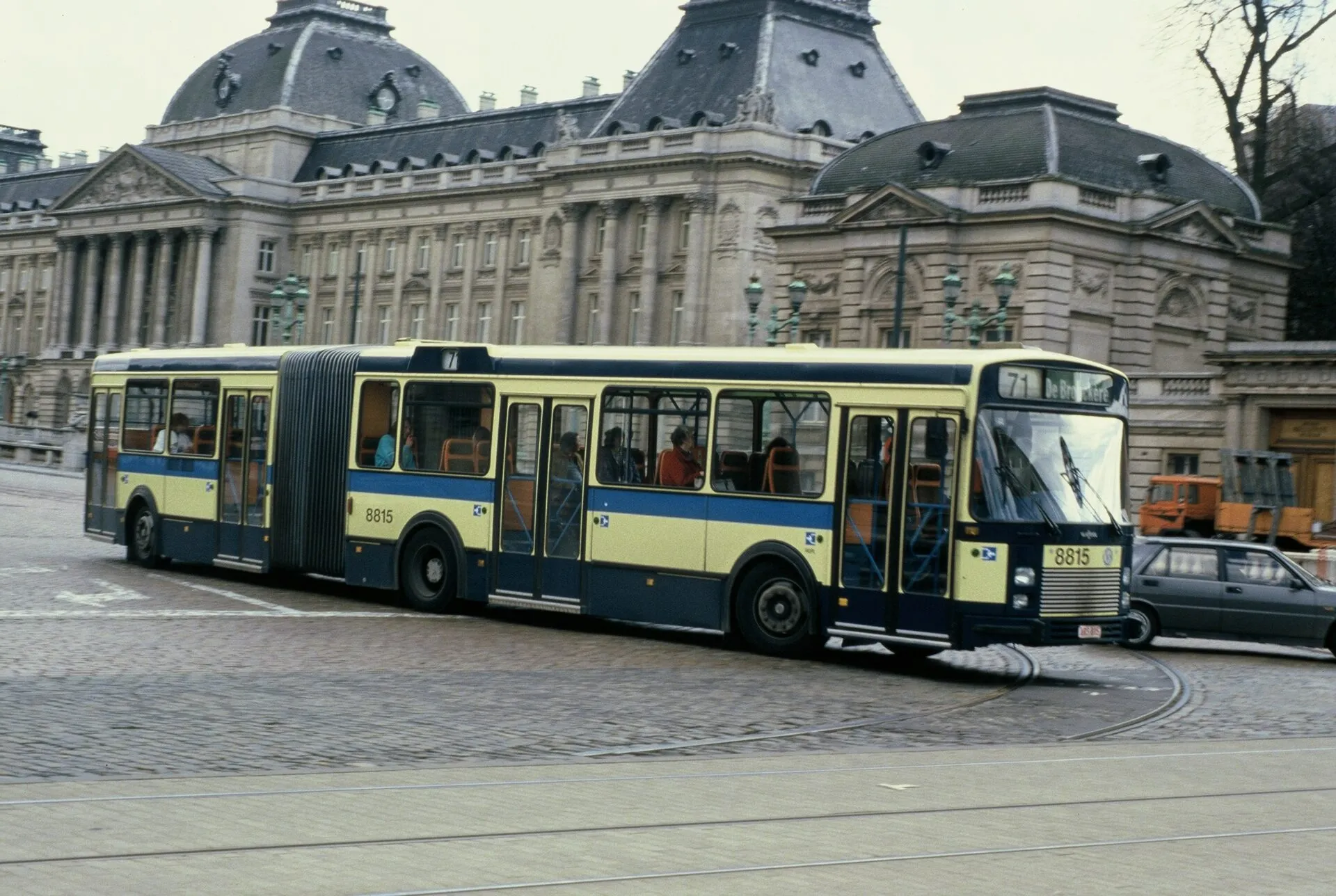
From the vintage shops of the Marolles to Sunday markets, from Sablon chocolatiers to Schuman’s calm offices, each neighborhood brings a different rhythm. Hop off to join it for a while — a coffee, a comic mural, a wander through antique stalls.
Brussels can be grand and cozy in the same hour: palaces and parks, tiny bars, and street art that makes you smile. The bus links the moments; you make the memories.
Chocolate, beer & waffles
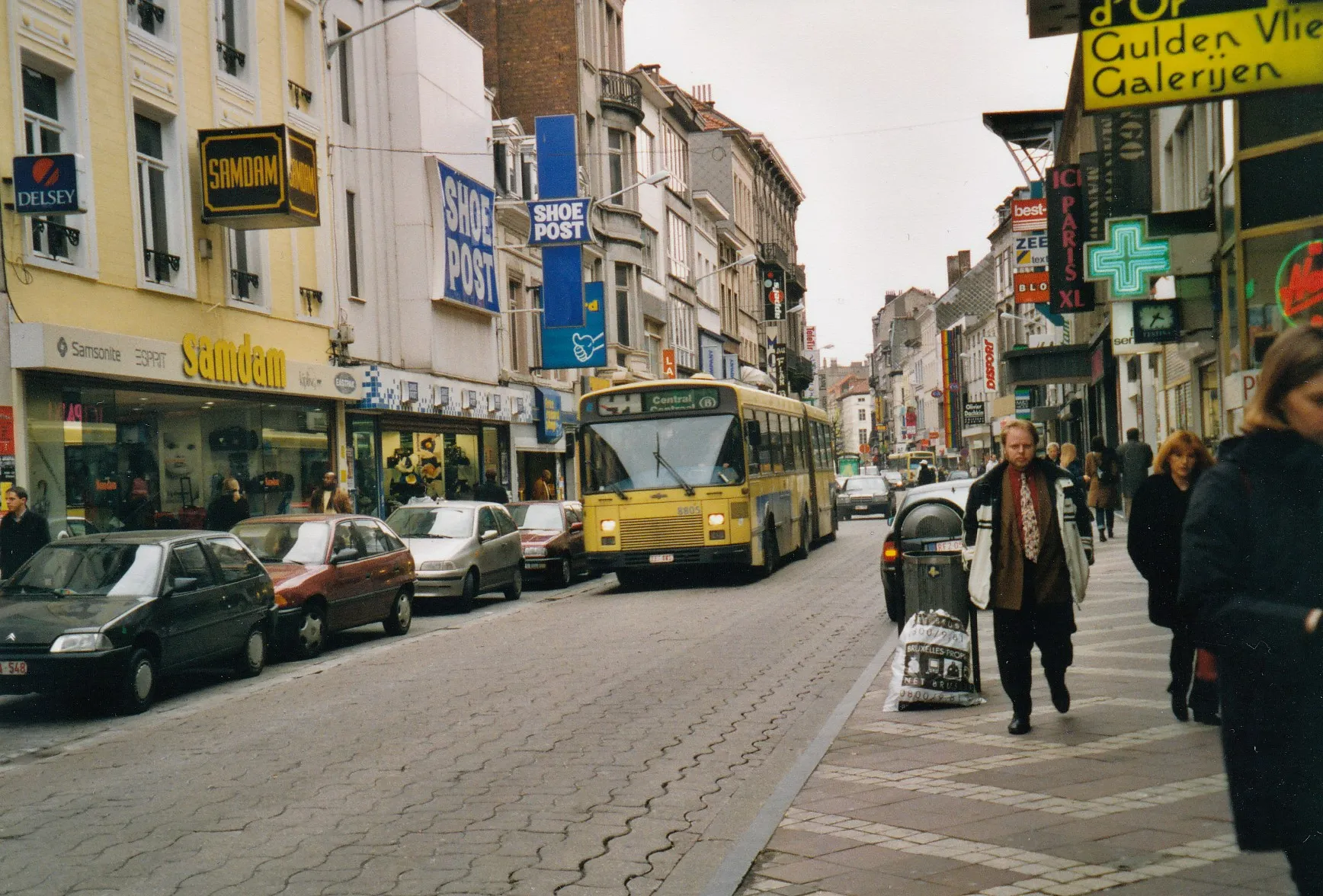
Chocolate shops tempt at every turn — pralines, truffles, and glossy slices that feel like edible jewelry. Breweries pour complex beers with patience and charm, and waffles arrive hot with the scent of butter and sugar.
Hop off near Sablon for classic chocolatiers, near the city center for waffle stands, and near festive quarters for tasting rooms. Sightseeing shouldn’t be rushed — especially when it tastes this good. 😊
Hop‑On Hop‑Off routes & stops
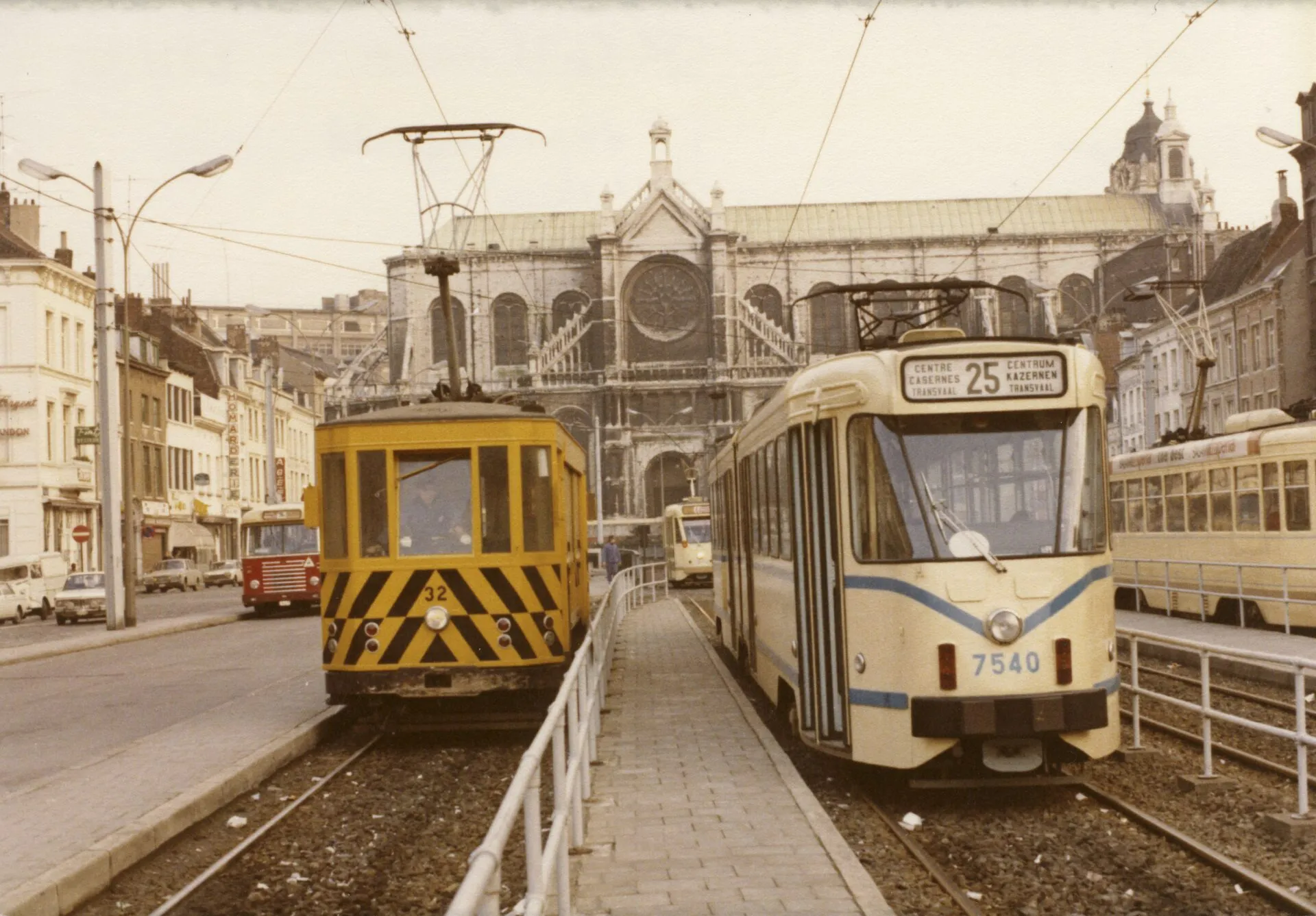
Routes typically form loops that meet at central hubs. Expect stops near Grand Place/Bourse, Central Station, Royal Palace & Parc, Sablon, the European Quarter (Schuman), and Heysel for the Atomium.
Frequency varies by season; buses arrive regularly through the day. Use the onboard audio guide and route map to time your museum visits and photo breaks.
Practicalities & accessibility
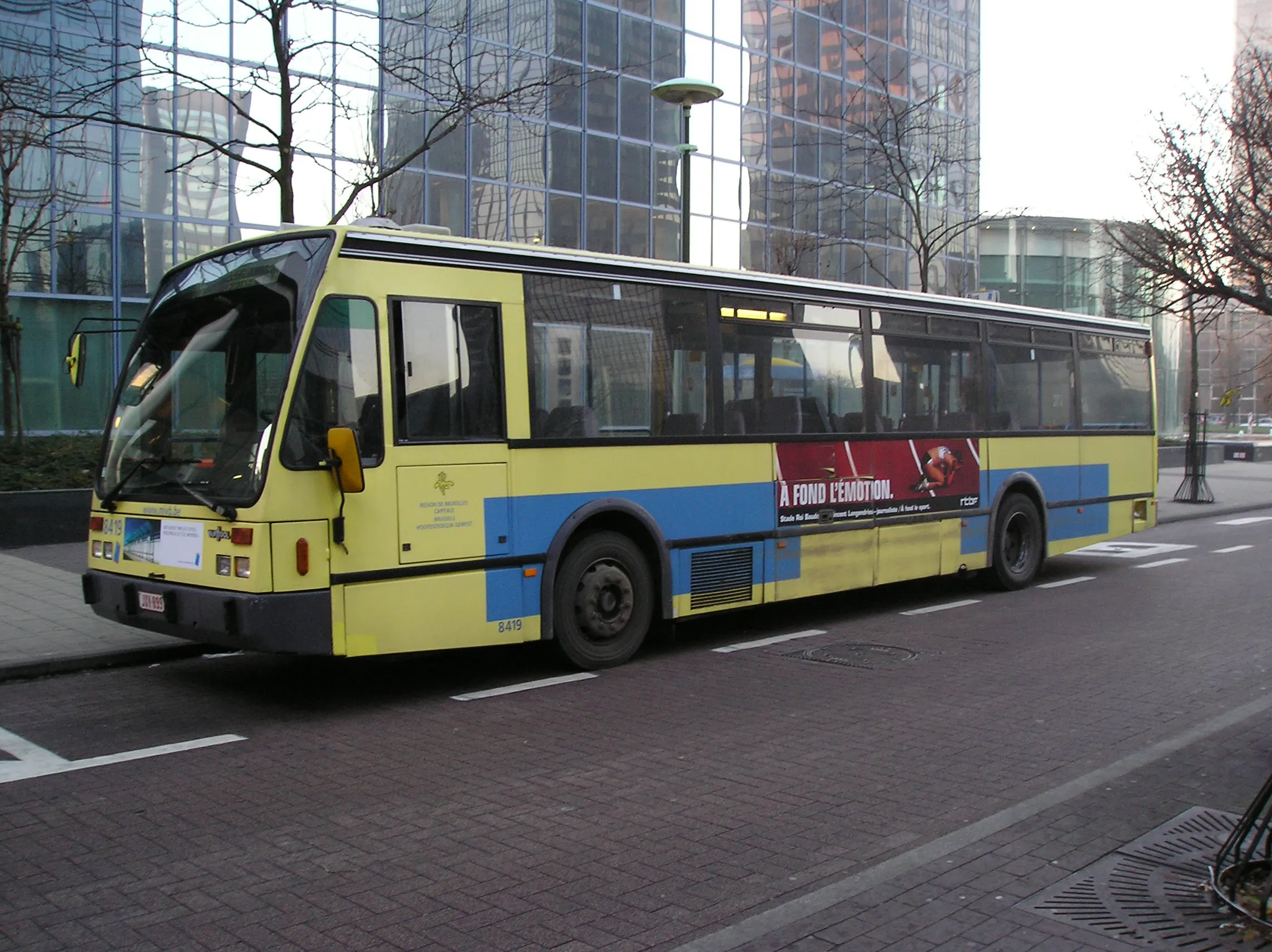
Sightseeing buses generally offer accessible boarding and designated spaces. Some historic pavements can be uneven; staff can suggest easier stops. Keep an eye on weather — umbrellas on the lower deck, sunshine on the upper.
Service adjustments may occur for large events, traffic, or roadworks. Live updates and staff at central stops help you adapt on the day.
Festivals & culture
Brussels’ calendar mixes music, street theater, design, and food. From summer festivals to winter light shows, the city likes to gather — in squares, parks, and cozy corners.
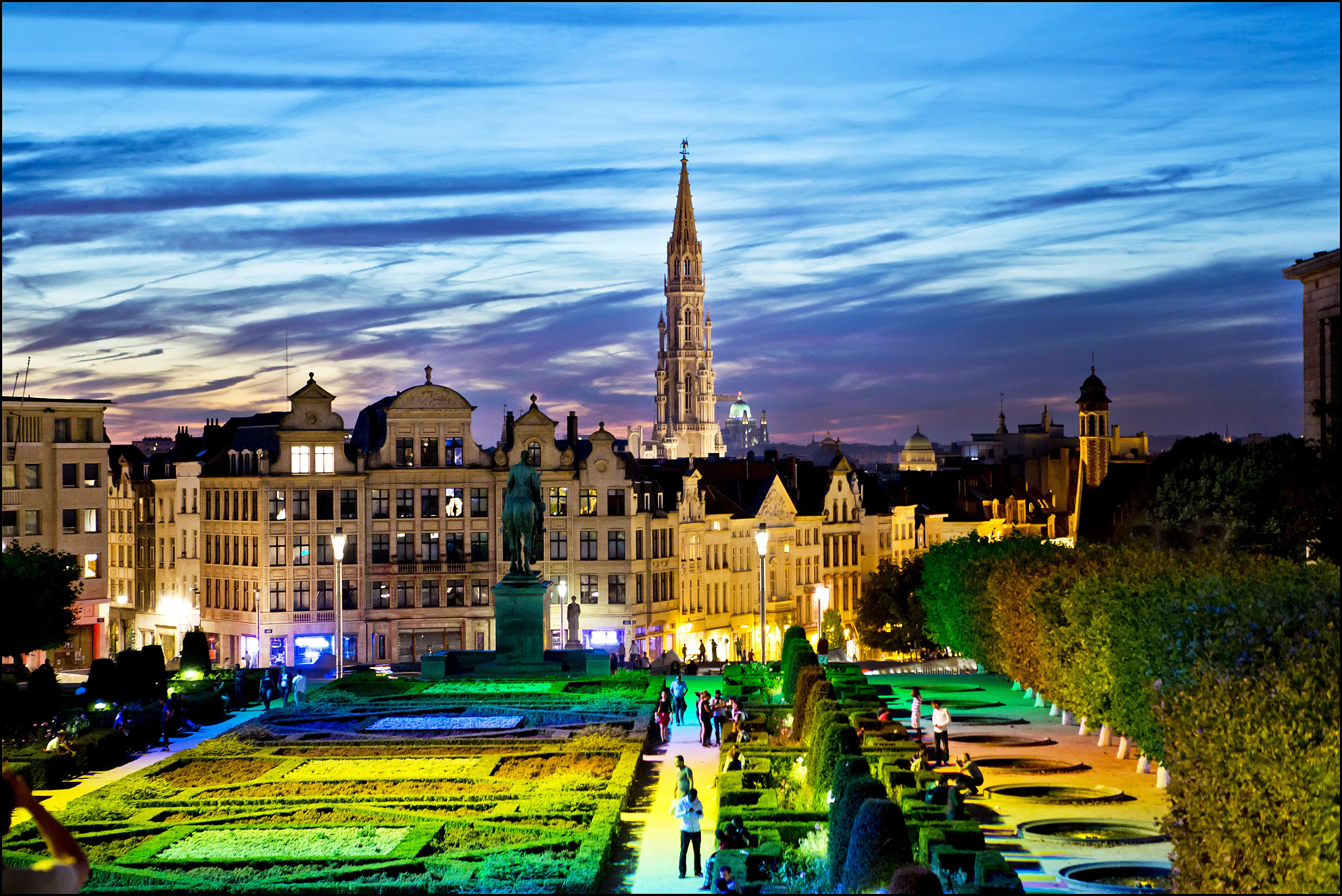
Hop off to catch an exhibition at Bozar or a market in the Marolles; ride back for an evening skyline and a warm drink.
Tickets, passes & tips
Choose 24‑ or 48‑hour passes depending on how much you plan to hop off. Book online for quick boarding and live timetable info.
Consider combos with attractions if they match your plans; otherwise, keep your day flexible and follow your curiosity.
Sustainability & the city
Public transport, walking, and curated sightseeing reduce traffic and make busy days gentler on the city. The hop‑on hop‑off model clusters visits and eases navigation for newcomers.
Choose quieter times, respect local neighborhoods, and support small businesses — good travel makes good towns.
Day trips & nearby sites
Beyond Brussels: hop a train to Ghent or Bruges for canals and medieval charm, or to Antwerp for bold art and fashion. The Atomium’s Heysel parklands also make a gentle half‑day with Mini‑Europe and green walks.
If you have extra time, explore Art Nouveau houses in Ixelles or a brewery tour — then ride back to the center for sunset at Grand Place.
Why this bus is great
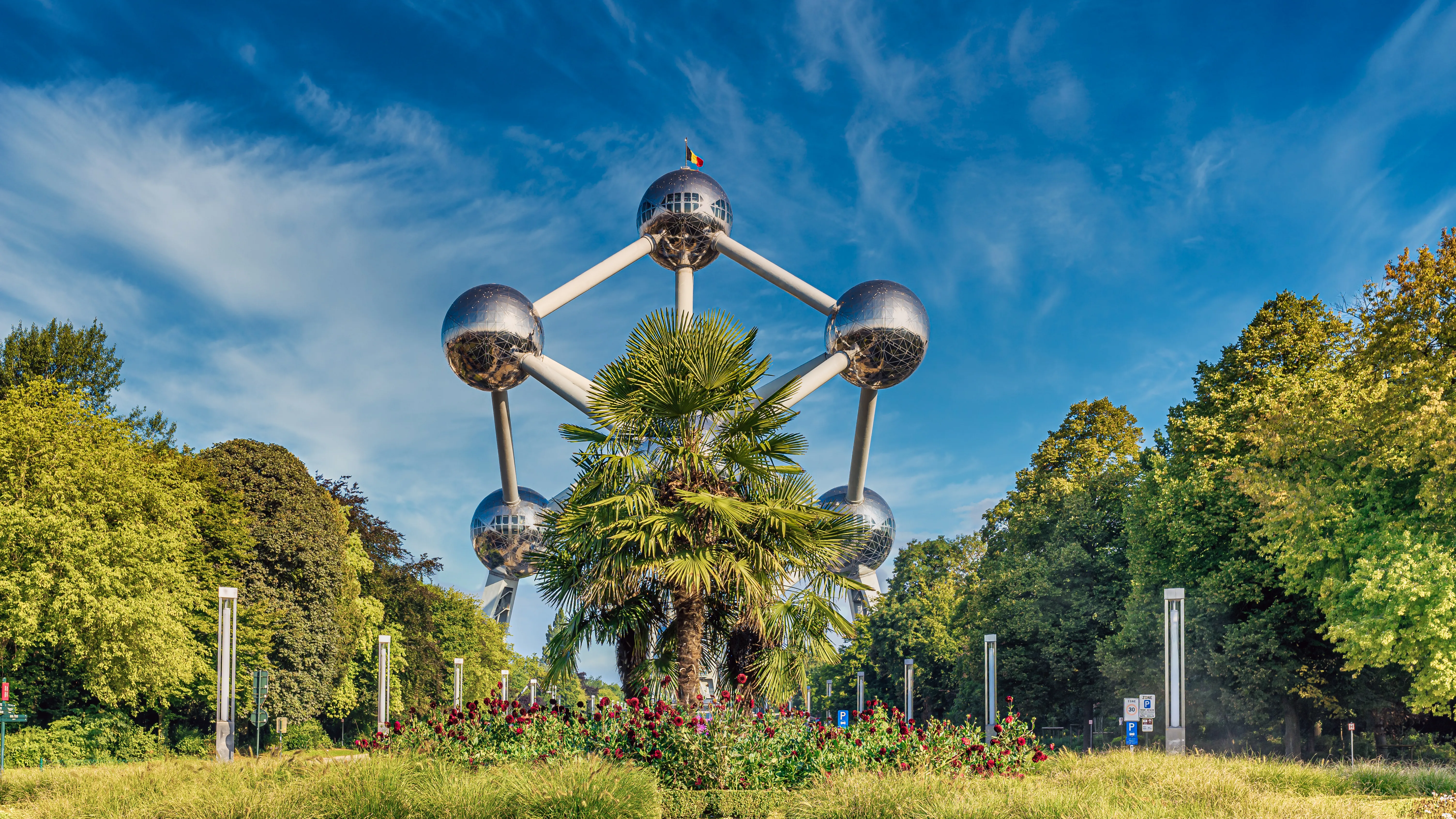
It’s simple, scenic, and flexible — a moving balcony over Brussels that lets you knit big landmarks and small discoveries into one thoughtful day.
You decide the rhythm: ride, wander, taste, and learn. Hop off for stories; hop on for skyline. That’s travel, Brussels‑style.
Table of Contents
Origins of Brussels
Brussels began as a settlement on the Senne, a river that once flowed openly through the city. Around its markets, guilds, and churches, a town grew into a capital shaped by trade and craftsmanship — then transformed by grand 19th‑century boulevards and early modern urban planning.
Centuries of change layered Brussels with textures: medieval guildhalls around the Grand Place, baroque flourishes, sober neoclassicism, whimsical Art Nouveau curves, and the post‑war dreaminess of the Atomium. Today it’s both Belgium’s capital and a hub for European institutions — deeply local, yet outward‑looking.
Guilds, trade & the Grand Place
The Grand Place was a stage for guilds and merchants — a market ringed by ornate façades that signaled pride in craft and prosperity. Fires, reconstructions, and fashions changed its face, but the square’s drama lived on: carvings, gilding, and spires that catch late sun and celebrate the city’s working heart.
Trade brought textiles, spices, and ideas; craftsmanship made guilds powerful; civic life played out in ceremonies and parades. The result is a square that feels like a theater — where everyday life and extraordinary architecture share the limelight.
Royal avenues & Art Nouveau
The 19th century carved broad boulevards through the city, framed by parks and palaces. Royal ambitions set axes of power and ceremony — the Royal Palace and Parc de Bruxelles, monumental museums, and stately terraces that still feel grand on quiet mornings.
Then came Art Nouveau with a wink: graceful ironwork, organic lines, and homes that move like music. Architects like Victor Horta made Brussels a living gallery of modern forms — intimate, imaginative, and unmistakably its own.
Museums, memory & Magritte
Brussels’ museums are generous: the Royal Museums of Fine Arts with classics and moderns, the Magritte Museum with surreal smiles, house museums with Art Nouveau whispers, and contemporary spaces that keep debates and dreams alive.
Memory reaches into every gallery — from world art to local stories, from comics to craftsmanship. You can hop off the bus, step into a museum, and feel the city pause for a few thoughtful hours.
Neighborhoods & local life
From the vintage shops of the Marolles to Sunday markets, from Sablon chocolatiers to Schuman’s calm offices, each neighborhood brings a different rhythm. Hop off to join it for a while — a coffee, a comic mural, a wander through antique stalls.
Brussels can be grand and cozy in the same hour: palaces and parks, tiny bars, and street art that makes you smile. The bus links the moments; you make the memories.
Chocolate, beer & waffles
Chocolate shops tempt at every turn — pralines, truffles, and glossy slices that feel like edible jewelry. Breweries pour complex beers with patience and charm, and waffles arrive hot with the scent of butter and sugar.
Hop off near Sablon for classic chocolatiers, near the city center for waffle stands, and near festive quarters for tasting rooms. Sightseeing shouldn’t be rushed — especially when it tastes this good. 😊
Hop‑On Hop‑Off routes & stops
Routes typically form loops that meet at central hubs. Expect stops near Grand Place/Bourse, Central Station, Royal Palace & Parc, Sablon, the European Quarter (Schuman), and Heysel for the Atomium.
Frequency varies by season; buses arrive regularly through the day. Use the onboard audio guide and route map to time your museum visits and photo breaks.
Practicalities & accessibility
Sightseeing buses generally offer accessible boarding and designated spaces. Some historic pavements can be uneven; staff can suggest easier stops. Keep an eye on weather — umbrellas on the lower deck, sunshine on the upper.
Service adjustments may occur for large events, traffic, or roadworks. Live updates and staff at central stops help you adapt on the day.
Festivals & culture
Brussels’ calendar mixes music, street theater, design, and food. From summer festivals to winter light shows, the city likes to gather — in squares, parks, and cozy corners.
Hop off to catch an exhibition at Bozar or a market in the Marolles; ride back for an evening skyline and a warm drink.
Tickets, passes & tips
Choose 24‑ or 48‑hour passes depending on how much you plan to hop off. Book online for quick boarding and live timetable info.
Consider combos with attractions if they match your plans; otherwise, keep your day flexible and follow your curiosity.
Sustainability & the city
Public transport, walking, and curated sightseeing reduce traffic and make busy days gentler on the city. The hop‑on hop‑off model clusters visits and eases navigation for newcomers.
Choose quieter times, respect local neighborhoods, and support small businesses — good travel makes good towns.
Day trips & nearby sites
Beyond Brussels: hop a train to Ghent or Bruges for canals and medieval charm, or to Antwerp for bold art and fashion. The Atomium’s Heysel parklands also make a gentle half‑day with Mini‑Europe and green walks.
If you have extra time, explore Art Nouveau houses in Ixelles or a brewery tour — then ride back to the center for sunset at Grand Place.
Why this bus is great
It’s simple, scenic, and flexible — a moving balcony over Brussels that lets you knit big landmarks and small discoveries into one thoughtful day.
You decide the rhythm: ride, wander, taste, and learn. Hop off for stories; hop on for skyline. That’s travel, Brussels‑style.